
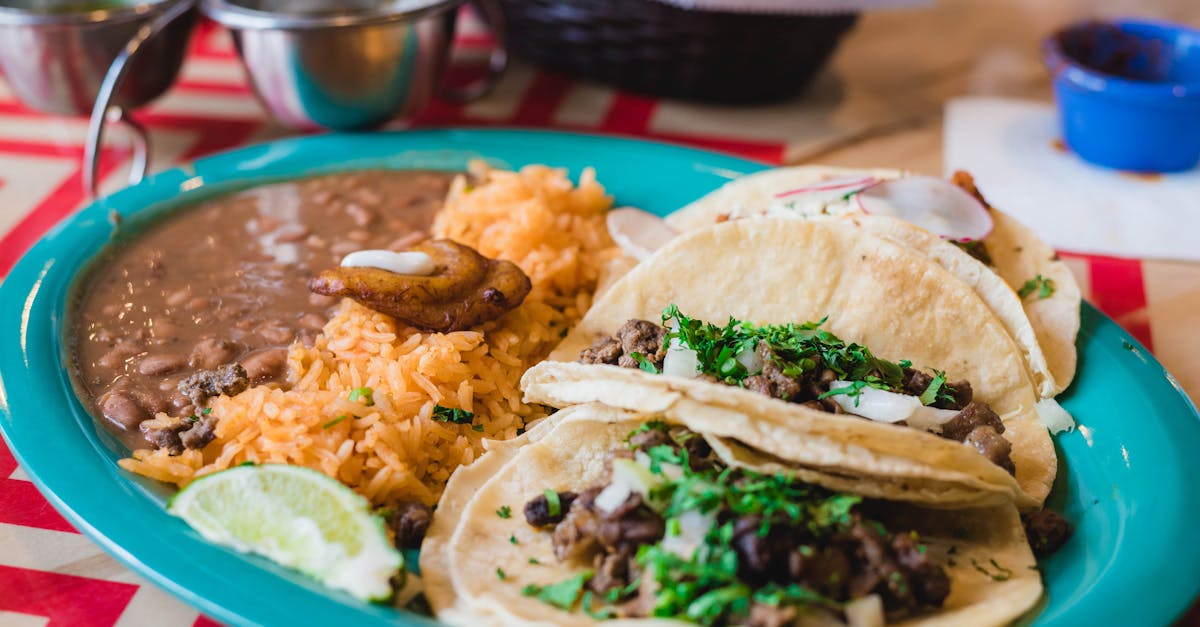
Running a restaurant is a rewarding but challenging endeavor. As a restaurant owner, ensuring food safety is paramount to the success and reputation of your establishment. Neglecting proper food handling practices can lead to serious consequences, including health risks for your customers and potential legal issues. Thus, adhering to the Essential Food Safety Guidelines Every Restaurant Owner Must Follow is crucial. These guidelines not only protect your patrons but also bolster your business’s credibility and success in the long run.
Main Points
- Understand the importance of proper food storage techniques.
- Implement strict hygiene practices for yourself and your staff.
- Regularly train employees on safe food handling procedures.
- Maintain cleanliness in kitchen and dining areas.
- Stay updated with local food safety regulations.
Understanding the Importance of Food Safety Regulations in the Restaurant Industry
Food safety regulations play a crucial role in the restaurant industry. These standards ensure that customers receive safe and hygienic meals. However, the complexities involved can occasionally lead to confusion among restaurant owners and staff. Proper training and compliance help mitigate health risks, building trust with patrons. Moreover, understanding regulations can be key in avoiding costly fines.
- Hygiene Practices: Maintaining cleanliness in food preparation areas is essential to prevent foodborne illnesses.
- Temperature Control: Proper cooking and storage temperatures help preserve food quality and safety.
- Regular Inspections: Periodic checks by health authorities ensure adherence to safety standards.
Thus, prioritizing food safety enhances reputation and encourages customer loyalty.
Social Media has emerged as a game-changer, where successful marketing strategies can significantly impact a restaurant’s visibility. Understanding how local engagement can boost sales is vital in today’s competitive landscape.
Key Practices for Maintaining a Clean and Safe Food Preparation Environment
Maintaining a clean and safe food preparation environment is vital for any kitchen. Regularly sanitize surfaces and equipment to prevent contamination. Ensure staff members practice proper handwashing techniques, particularly after handling raw ingredients. Organizing ingredients and utensils minimizes the risk of cross-contamination. Additionally, implement a routine cleaning schedule to address hard-to-reach areas. Regularly inspect food storage areas to ensure proper temperatures are maintained. A clean kitchen not only safeguards health but also enhances overall culinary experience.
Checklist for a Safe Kitchen
| Task | Frequency |
|---|---|
| Sanitize surfaces | After each use |
| Inspect food storage | Weekly |
| Hands washed by staff | Before and after food handling |
The meticulous effort invested in these practices directly contributes to “How Social Media Marketing” influences your restaurant’s reputation. Cleanliness profoundly impacts health ratings, which in turn can reflect in reviews online. Therefore, prioritize cleanliness alongside quality to succeed in today’s competitive landscape.
The Role of Employee Training in Upholding Food Safety Standards
Employee training is essential for maintaining rigorous food safety standards within any culinary establishment. This process ensures that staff understands critical principles such as proper hygiene, safe food handling, and cross-contamination prevention. Without adequate training, even the best food safety protocols can be rendered ineffective. Because of this, continuous education fosters a culture of safety and accountability among employees. Ultimately, well-trained staff becomes a restaurant’s first line of defense against foodborne illnesses, creating a secure environment for both patrons and colleagues.
Implementing Effective Food Storage Techniques to Prevent Contamination
Proper food storage is essential to prevent contamination and ensure safety. Understanding the intrinsic relationship between temperature, humidity, and food quality can significantly influence outcomes. For instance, storing perishables at appropriate temperatures reduces spoilage. Below are some effective techniques:
- Maintain Temperature: Keep refrigerators at or below 40°F (4°C) to inhibit bacterial growth.
- Use Airtight Containers: Seal food in airtight containers to prevent exposure to air and moisture, safeguarding freshness.
- Separate Raw and Cooked Foods: To minimize cross-contamination, keep raw meat separate from cooked dishes.
By adopting these techniques, you’ll not only extend freshness but also protect health. It’s a small effort that pays dividends in quality and safety.
Navigating Food Allergies: Essential Guidelines for Safe Ingredient Management
Managing food allergies requires vigilance and a clear understanding of ingredients. Start by thoroughly reading labels, as allergens can often hide in unexpected places. This diligence is not merely precautionary; it ensures that individuals with allergies can safely enjoy their meals. For restaurants, it’s crucial to implement strict cross-contamination protocols. Training staff about food allergens fosters a safer dining experience. By creating an informed kitchen environment, both patrons and chefs can navigate allergies with confidence.
Key Practices for Ingredient Safety
Employing clear labeling and meticulous ingredient tracking is vital. Regular staff training seminars can be invaluable. Also, having a reliable communication system regarding allergies between waitstaff and the kitchen can significantly reduce risks. Remember, a proactive approach can make all the difference, ensuring that everyone can enjoy their dining experiences without fear.
Local restaurant success hinges on understanding customer needs, particularly regarding allergies. Listening to guest feedback further enhances safety practices and promotes trust.
Regular Food Safety Audits: A Critical Strategy for Continuous Improvement
Regular food safety audits are essential tools for any food establishment aiming for excellence. These audits not only ensure compliance with health regulations but also foster a culture of safety and accountability. By identifying potential risks and weaknesses, organizations can implement effective corrective measures. Moreover, involving staff in the audit process cultivates a shared sense of responsibility. Ultimately, this practice enhances the overall quality of food safety management.
“Continuous improvement in food safety is not merely a requirement; it’s a commitment to excellence.”
The Importance of Engagement
Engaging everyone in the audit process can significantly affect outcomes. Education and training tailored to your team empower them to uphold food safety standards consistently. Therefore, prioritizing regular audits makes a tangible difference in achieving long-term success in the competitive restaurant landscape. Remember, safety is everyone’s responsibility.
| Benefit | Description |
|---|---|
| Compliance | Regular audits ensure adherence to health standards. |
| Accountability | They foster a culture of responsibility among staff. |
| Quality | Improve overall quality of food safety management. |
Conclusion
In conclusion, ensuring the safety of food in any establishment is paramount for success and trust. Every restaurant owner must prioritize the Essential Food Safety Guidelines Every Restaurant Owner Must Follow. These guidelines serve as a foundation for maintaining high hygiene standards, protecting both customers and staff. By adhering to these basic yet crucial principles, restaurants can build a reputation for safety and quality. Above all, the commitment to food safety can lead to long-term success in the competitive food industry. Ultimately, fostering a culture of safety benefits everyone involved in the dining experience.
Frequently Asked Questions
What are the basic food safety guidelines every restaurant should follow?
Basic food safety guidelines include proper handwashing, cooking foods to the correct temperatures, avoiding cross-contamination, proper food storage, and regular sanitation of surfaces and utensils.
How often should food safety training be conducted for restaurant staff?
Food safety training should be conducted regularly, ideally every six months, and whenever new staff is hired to ensure that all employees are up-to-date on the latest safety practices.
What should I do if I suspect foodborne illness in my restaurant?
If you suspect foodborne illness, you should isolate the affected food items, notify health authorities, and conduct a thorough investigation to identify the source of the problem. It’s also important to communicate transparently with your customers.
How can I prevent cross-contamination in my kitchen?
To prevent cross-contamination, use separate cutting boards for raw meats and vegetables, store raw foods below cooked foods in the refrigerator, and ensure that all kitchen staff understand and follow proper hygiene practices.
What temperature should food be cooked to for safe consumption?
Food should be cooked to the following minimum internal temperatures: poultry to 165°F (74°C), ground meats to 160°F (71°C), and whole cuts of meat to at least 145°F (63°C). Always use a food thermometer to ensure accuracy.